An Orthodox Jew’s review: It’s not every book that I’ll stay up to 3 am on Shabbos just to finish it. Helene Wecker’s The Hidden Palace, despite being a direct sequel, is a different sort of book than The Golem and the Jinni–but that isn’t a bad thing. It focuses on a longer period of time, but it still has all the characters you love, and the prose is still so gorgeous yet fun and easy to read, I’d read it even if I didn’t care for the plot. And I do like the plot–yes, it can seem a little simplistic at times, and it could be argued that it relies too much on coincidence, but for me, the story just jelled really well. Besides, coincidence in stories like these feel more like the hand of G-d pushing things along, l’havdil like Megilas Esther, which is full of coincidences, until the end where everything ties together and it was all meant to be. Yeah, some folks may not like that in their storytelling, but here it really worked. It probably helped that I loved the characters, I loved the writing, and I loved how all the separate threads masterfully wove together to create a cohesive story.

My only real gripes were minor nitpicks, specifically regarding one character, who despite clearly being ashkenazi is learning Hebrew from her father with a sfardi pronunciation, when she’s reading what is clearly supposed to be gemara, she refers to it as Hebrew when it is actually Aramaic, and despite being uncompromising in her orthodox judaism, writes on Shabbos several times and doesn’t ever mention that it’s something she shouldn’t be doing, or rationalizing it. Oh, and there’s a scene where *spoilers* a character mentions the Golem of Prague, and how accoridng to some stories it went on a rampage, so he names his golem after a reletive of his who was very calm–and names the golem Yossele, which was the very name of the Golem of Prague–you’d think he’d know that, right? *end of spoilers*
Clearly though, these are minor nitpicks that unless you are an orthodox jew yourself, you probably won’t pick up on. As a whole though, this book is fantastic. Is it perfect? No–no book is. But it’s about as close as a perfect book could be, for me anyway. Jewish folklore, major historical events, magic, compelling characters, and a focus on storytelling that reminded me of Neil Gaiman’s Sandman. This book is timeless, and anyone who picked up the first book would be doing themselves a disservice if they missed out on this one. I’m eagerly awaiting the third.


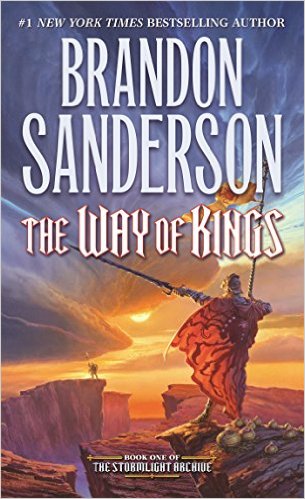 It’s no secret that Brandon Sanderson is a master of his craft, and
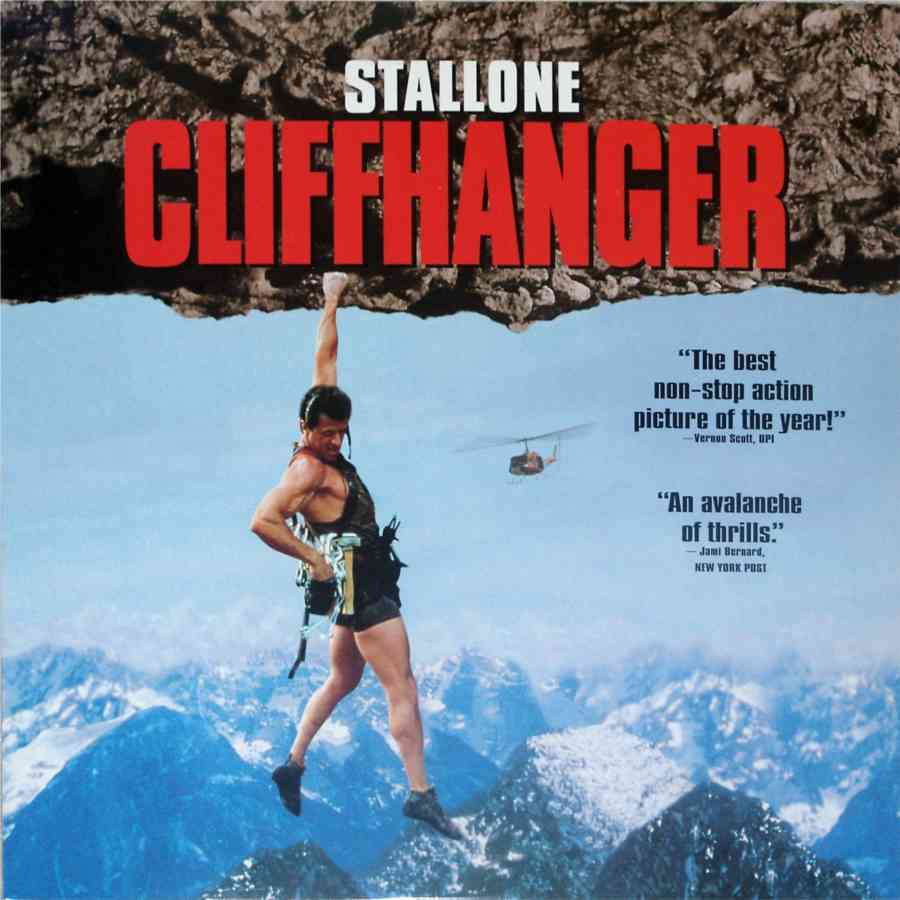 How do you end a story? Coming up with a good ending is probably the second hardest part of writing (the first is getting started). It’s important to end the story. It doesn’t have to tie up all loose ends, but it has to be satisfying if the reader stopped right there. Now, this is obvious when it comes to a stand alone novel. But what about a book series? A trend I’ve noticed in book series lately (and later series movies, where the last book is split into 2 parts) was to end on a cliffhanger. I understand the reasoning behind it- you want to force the reader to pick up the next one. Personally though, I usually end up feeling cheated. Now, it’s ok to have a slight cliffhanger tacked on at the end (like the reveal of Thanos and the end of the Avengers, or the reveal that Magneto still has his powers at the end of X-Men 3), because the reader still got a satisfying, full story. The lest few seconds can easily be ignored, and is more of a trailer or preview for the next movie/volume. Some cliffhangers though, make you feel as though you’re missing half the story. The second Hobbit movie, for example, has such a sudden and jarring ending, I sat in the theater wondering if the projectionist messed up. I don’t want to be force to buy the next book. If you write a good story, with a good ending, then I’ll buy the follow up. You don’t have to try and trick people into doing.
 Mike Jeavons’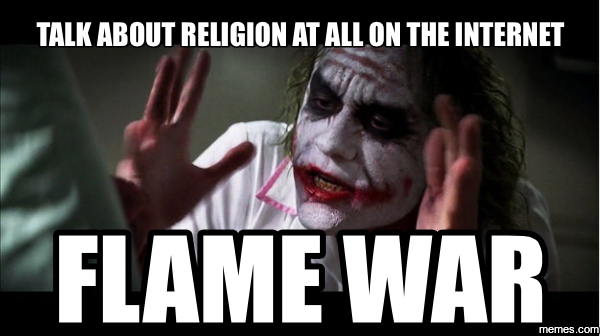
 Oh, boy. Here we go, I guess.
 Michael Lachman Writes